 Back to Blog
 Philips Hue Accidentally Reveals a Matter-Enabled Flourish Lamp
Philips Hue didn’t officially announce anything, but Amazon did it for them. A short-lived listing across several European Amazon stores revealed an updated version of the Flourish table lamp. While it looked like a minor refresh on the surface, it actually tells us a lot about where smart lighting is heading in 2026.
If you don’t understand one key hardware requirement, this upgrade may offer little practical benefit in your current setup. Before spending $200 on what appears to be a premium smart lamp, it’s important to understand how the underlying connectivity actually works.
What Actually Changed With the New Flourish?
At first glance, the updated Flourish looks identical to the previous model. It still features the distinctive frosted-glass globe and a soft paper-lantern aesthetic, making it a beautiful fit for modern living rooms and bedrooms.
But internally, two upgrades stand out.
Brightness jumps from 806 lumens to 1,100 lumens, a meaningful 36% increase, and more importantly, it now supports Matter over Thread instead of relying solely on Zigbee and Bluetooth. Second, Philips isn’t just refreshing a lamp. They’re shifting protocols, and that signals a broader strategy.
Matter Over Thread: Why This Is a Big Deal
Now let’s talk about Thread, because this is where things get interesting. Thread isn’t just another wireless option. It creates a dedicated mesh network for your smart home devices. Instead of crowding your Wi-Fi router with dozens of bulbs, sensors, and plugs, Thread devices talk directly to each other and strengthen the network as more powered devices are added.
That means faster response times, lower energy use, and significantly better scalability. In large smart homes, this matters more than people realize. But here’s the catch: Thread doesn’t work on its own.
The Hardware Requirement Most People Miss
To use any Matter over Thread device, including this new Flourish, you need a Thread Border Router. This device acts as the bridge between your Thread mesh network and your main Wi-Fi or Ethernet network. Without it, your Thread devices literally cannot communicate with your phone or the internet.
The tricky part is that not all smart speakers and hubs support this feature. Many people assume their existing setup is ready, only to find out it isn’t. Here’s a clear breakdown:
| Works as a Thread Border Router | Does NOT Work |
| Apple HomePod mini | Original HomePod |
| Apple TV 4K | Apple TV 4K (64GB Wi-Fi version) |
| Google Nest Hub | Most older Echo models |
| Select newer Amazon Echo models | Philips Hue Bridge |
The problem is: The Hue Bridge, the small square hub many Hue users already own, does not function as a Thread border router. It supports Matter over Wi-Fi for Zigbee devices, but that’s not the same thing. If you buy a Thread-enabled Hue bulb and don’t have a proper border router, you’ll end up relying on Bluetooth, which defeats the purpose of upgrading in the first place.
Before buying anything Thread-based, check your ecosystem first. This single step can save you frustration and money.
Is the $200 Price Tag Justified?
If the Flourish lands at around $200 in the U.S., you’re paying a serious premium for aesthetics. Under the hood, this lamp houses a standard Hue E27 bulb, the same type you can purchase separately.
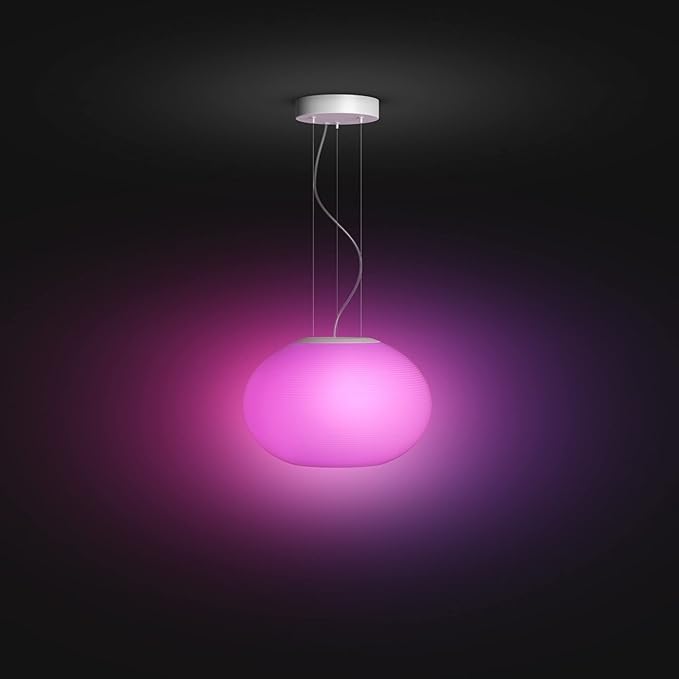
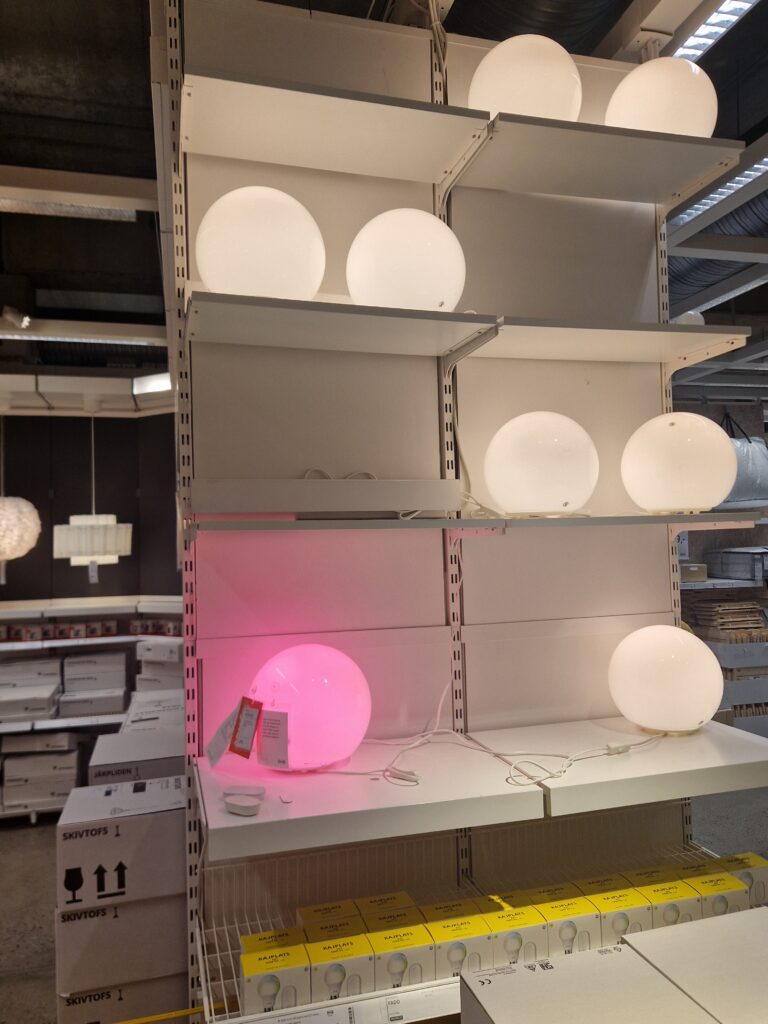
For example, instead of buying the full lamp, you could pair a Hue Thread-enabled bulb with an inexpensive IKEA FADO lamp and achieve nearly identical performance for a fraction of the cost. Even Philips Hue Flourish Pendant shares much of the same design language, reinforcing the idea that you’re largely paying for styling. And if you’re simply looking for the new connectivity standard, the Hue Thread Bulb on its own delivers the same 1,100 lumens.
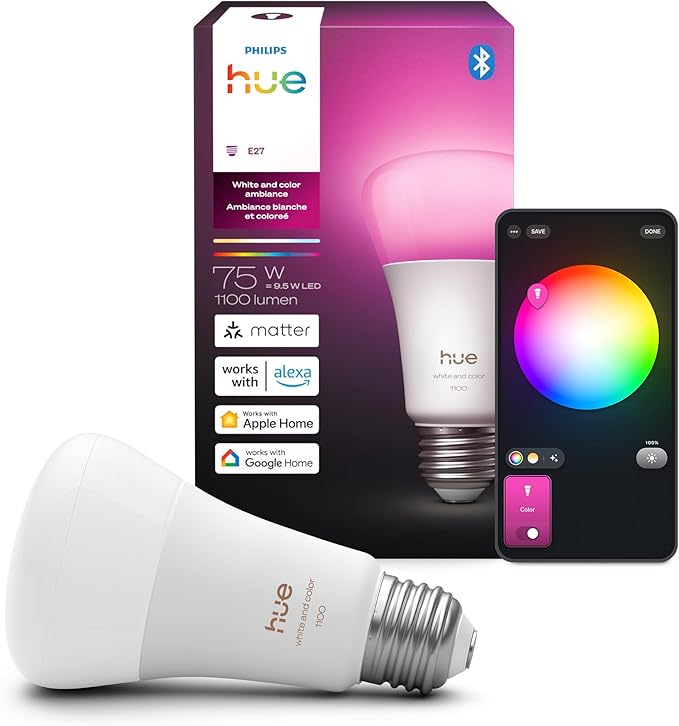
Unless you specifically love the Flourish design enough to justify that premium, the numbers are hard to ignore. The performance is identical; the difference lies in the presentation.
The Bigger Strategy: Signify’s Split Ecosystem
Signify, the parent company behind Philips Hue and WiZ, has certified hundreds of Matter devices. That scale matters because it shows this isn’t experimental. It’s a coordinated shift. WiZ targets budget-conscious buyers with Matter over Wi-Fi, while Philips Hue is clearly positioning itself as the premium Matter over Thread brand.
This leak doesn’t just confirm a product refresh. It confirms that Thread is becoming central to Hue’s long-term roadmap. And they’re not alone in this push.
IKEA is Applying Pressure
IKEA has announced support for Matter for its Varmblixt “donut lamp,” priced at around $100. That’s roughly half the expected cost of the Flourish. They’re also releasing extremely affordable Matter-over-Thread bulbs, which lower the barrier to building a strong mesh network.
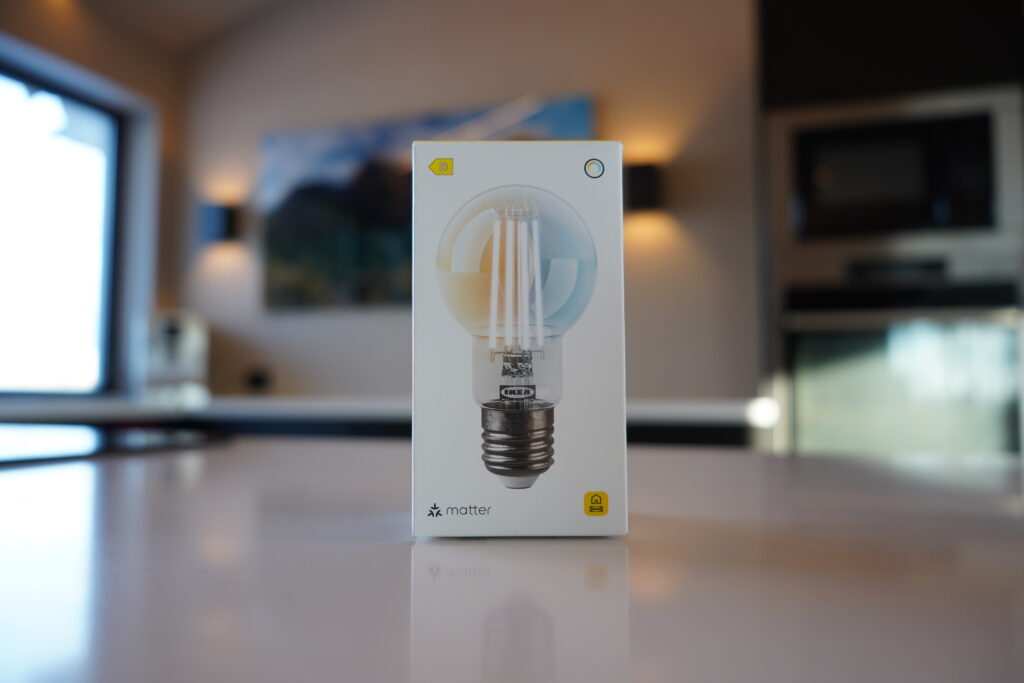
Here’s what makes this significant. When a company like IKEA offers Thread devices at mass-market pricing, it pressures premium brands to justify their margins. If consumers can build reliable Thread networks cheaply, aesthetics become the only differentiator.
And that changes the competitive landscape fast.
Thread vs Wi-Fi: What Should You Actually Choose?
The thread is fantastic if you plan to scale your smart home aggressively. It handles hundreds of devices without competing with your Wi-Fi traffic, making it ideal for larger homes filled with sensors, locks, thermostats, and lighting.
Wi-Fi, on the other hand, is perfectly fine for smaller setups. If you’re only adding a few smart bulbs, the simplicity of Wi-Fi might outweigh the benefits of Thread. Most household routers begin to struggle when overloaded with dozens of devices, but modest setups rarely hit that threshold.
The decision shouldn’t be emotional. It should be strategic. Choose based on scale and long-term plans.
Final Verdict
The new Flourish confirms that Thread is Philips Hue’s direction. That’s important and forward-looking. But at $200, it’s difficult to recommend over a cheaper lamp paired with a Thread-enabled bulb unless you’re buying it purely for the design.
The smarter move is to evaluate your existing hardware, confirm you own a compatible border router, and decide whether Thread actually benefits your setup. Don’t buy into the hype without first checking the foundation of your smart home.
The industry is clearly betting on Thread. The real question isn’t whether it’s the future. It’s whether your home is ready for it.
Similar Articles