 Back to Blog
 Smart, Future-Proof or Are You Just Lighting Money on Fire?
IKEA vs Philips Hue: The Ultimate Smart Lighting Showdown 2025
The smart lighting landscape has fundamentally shifted. IKEA is ditching Zigbee entirely and going all-in on Matter and Thread with over 20 brand-new smart home products launching in January 2026. Meanwhile, Philips Hue just dropped their game-changing Essential series in September 2025, slashing prices to as low as $15 per bulb. This collision of innovation and affordability has completely reshuffled the playing field for anyone building a smart home in 2025 and beyond.
The real question isn’t just which brand wins—it’s which strategy wins for your budget, your lifestyle, and your smart home’s future. Let’s break it down.
Two Titans, Two Philosophies
Philips Hue has been the gold standard: premium pricing, rock-solid reliability, millions of colors, and an ecosystem packed with advanced automations, entertainment sync, and unique accessories like light strips, outdoor sensors, and even security cameras. The big criticism? Price.
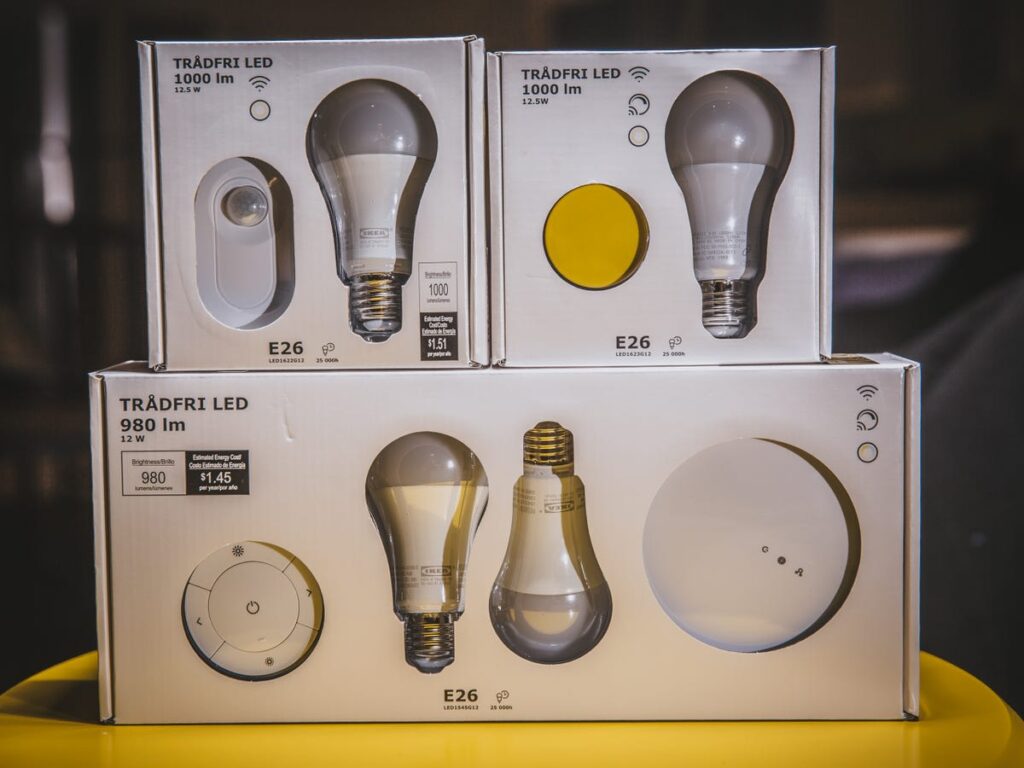
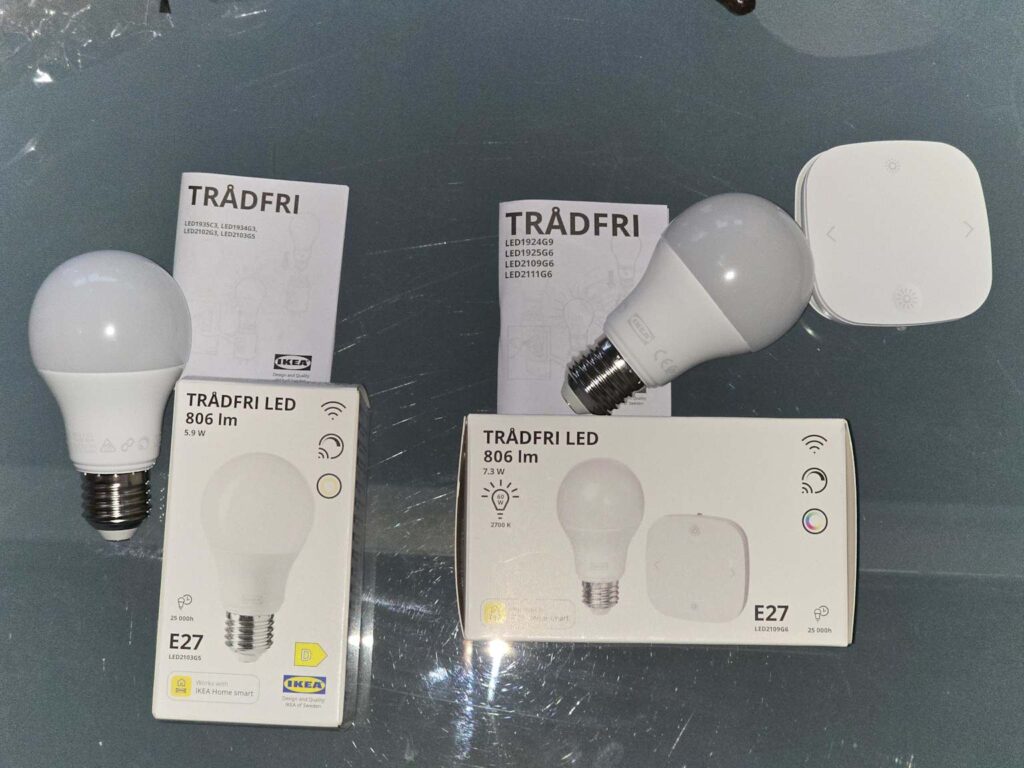
IKEA’s Trådfri line, meanwhile, has been the budget champion—affordable DIY smart lighting that just works, with basic whites, some RGB options, simple automations, and prices that won’t break the bank. The trade-off? Fewer advanced features and a smaller ecosystem.
2025, however, turns the tables. Both brands have fundamentally changed the game.
Philips Hue Essential Series (Announced September 2025)
For the first time ever, you can get a Philips Hue color bulb for just $25, or as low as $15 per bulb in a four-pack—less than half the price of their flagship bulbs.
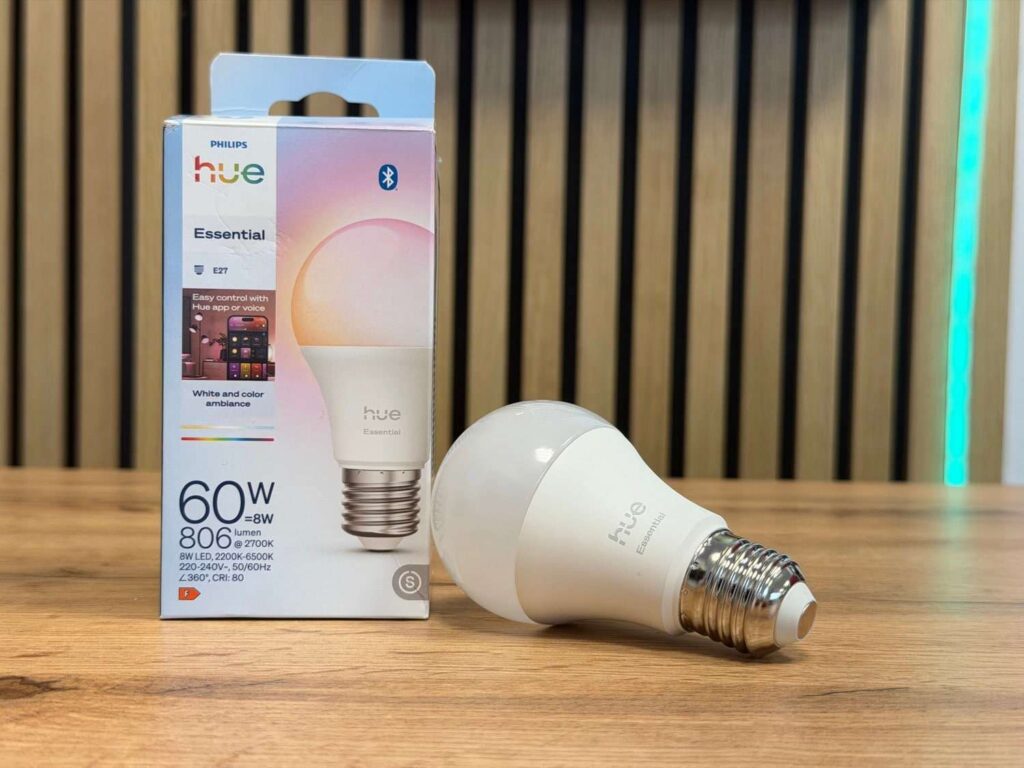
What’s in the lineup?
- A19 bulbs, BR30 downlights, GU10 spotlights
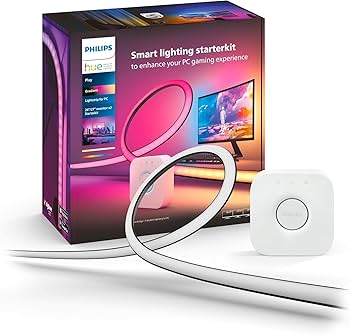
- Budget-friendly LED strips starting at $60 for five meters
What’s the catch?
- Minimum dimming is 2% (vs 0.2% on flagship)
- White range: 2200–6500K (vs 1000–20000K flagship)
- No Chromasync for perfect color matching—just “very good” color accuracy
- Same software, same app, same reliability
- Supports Bluetooth, Zigbee, and Matter-over-Thread
For most people, Essential hits the sweet spot: 16 million colors, full automation support, voice control, and seamless compatibility at an affordable price.
Check out How to get that cozy lightning here!
IKEA’s Matter-Over-Thread Revolution (January 2026)
In July 2025, IKEA announced over 20 new Matter-over-Thread smart products launching January 2026. Everything is being rebuilt on universal, open standards.
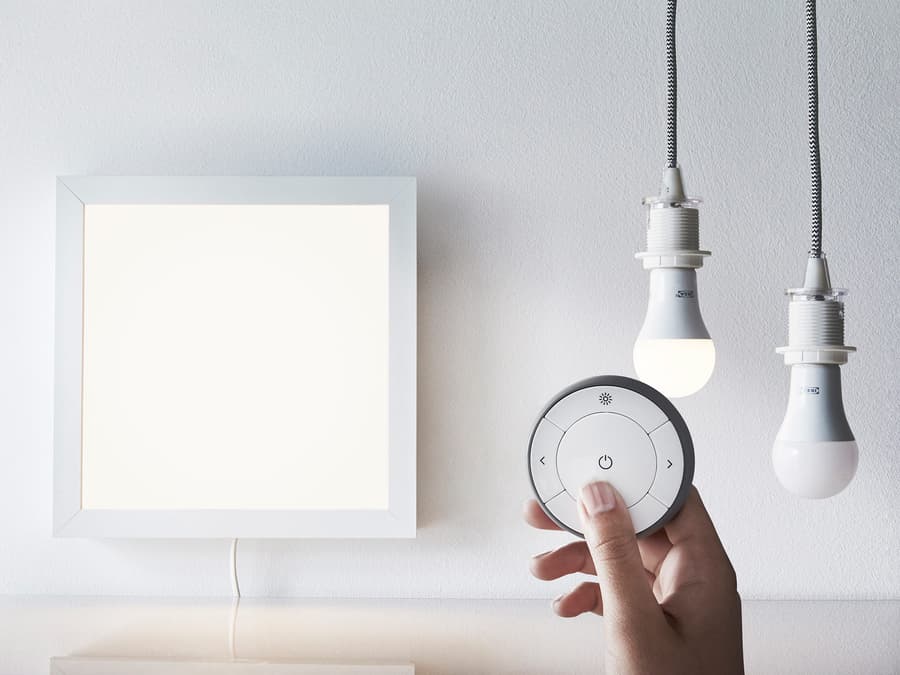
New lineup highlights:
- Timmerflotte: Temp/humidity sensor with rechargeable AAA and display
- Myggspray: Wireless motion sensor w/ light sensor logic
- Myggbett: Door/window contact sensor
- Alpstuga: Next-gen air quality monitor
- Klippbok: Water leak sensor with siren
- Bilresa: Programmable switch (buttons & scroll wheel)
- Grillplats: Indoor plug; Tofsmygga: Outdoor plug
- Entire new Trådfri light series (Matter+Thread)
- Full Zigbee backward compatibility for existing hubs
As David Granath, IKEA Range Manager, says: “We design for the everyday customer, someone who just wants products that are easy to use, reliable, and fit naturally into their home.”
What Does It Cost?
Outfitting a three-bedroom home with smart lighting:
| Setup | Approx. Cost | Best For |
|---|---|---|
| IKEA (New Matter Line) | $200–$250 | Budget-conscious, fresh start |
| Philips Hue Essential | $350–$400 | Quality + affordability |
| Philips Hue Flagship | $800+ | Premium, perfectionists |
| Mixed (IKEA + Essential + Flagship) | $400–$600 | Optimizing by room |
Pro tip: Mix IKEA bulbs in utility spaces, Hue Essentials in common areas, and Hue flagship where performance matters most.
Are They Future-Proof?
IKEA: Phasing out Zigbee, everything new is Matter-over-Thread: works right out of the box with Apple Home, Google Home, Alexa, and Samsung SmartThings—no hub required (unless you want extra features/control).
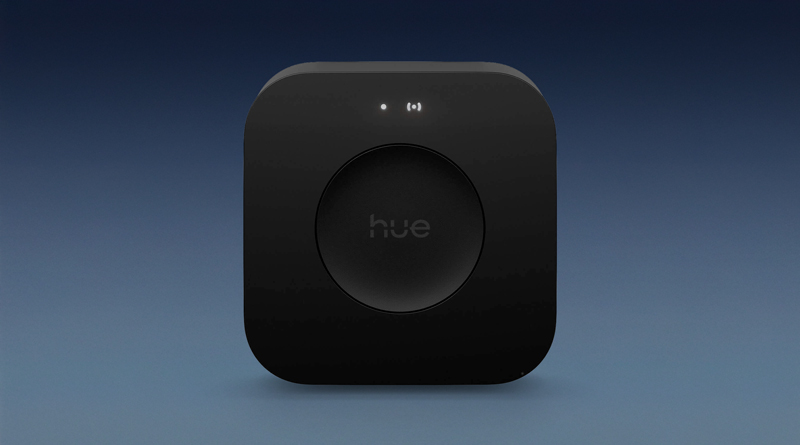
Philips Hue: Hybrid approach—new Essentials and flagship bulbs run Zigbee, Bluetooth, and Thread. Use the Hue Bridge (Zigbee) or connect directly (Thread). Maximum flexibility, backward compatibility, and future-proofing.
Reliability & User Experience
Philips Hue: Legendary performance—instant response, seamless integration, robust Bridge (with new Bridge Pro scaling up to 150 lights). App offers dynamic scenes, conditional automations, entertainment sync.
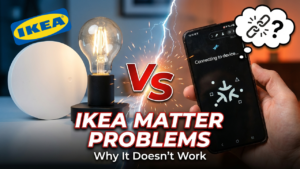
IKEA: Solid reliability for the price, occasional glitches (especially mixing old Zigbee with new Matter), but new lineup promises major improvements. App stays basic—great for beginners, less so for power users.
Hack: Mix IKEA bulbs with a Philips Hue Bridge for advanced automations.
Color, Form Factor, and Real Results
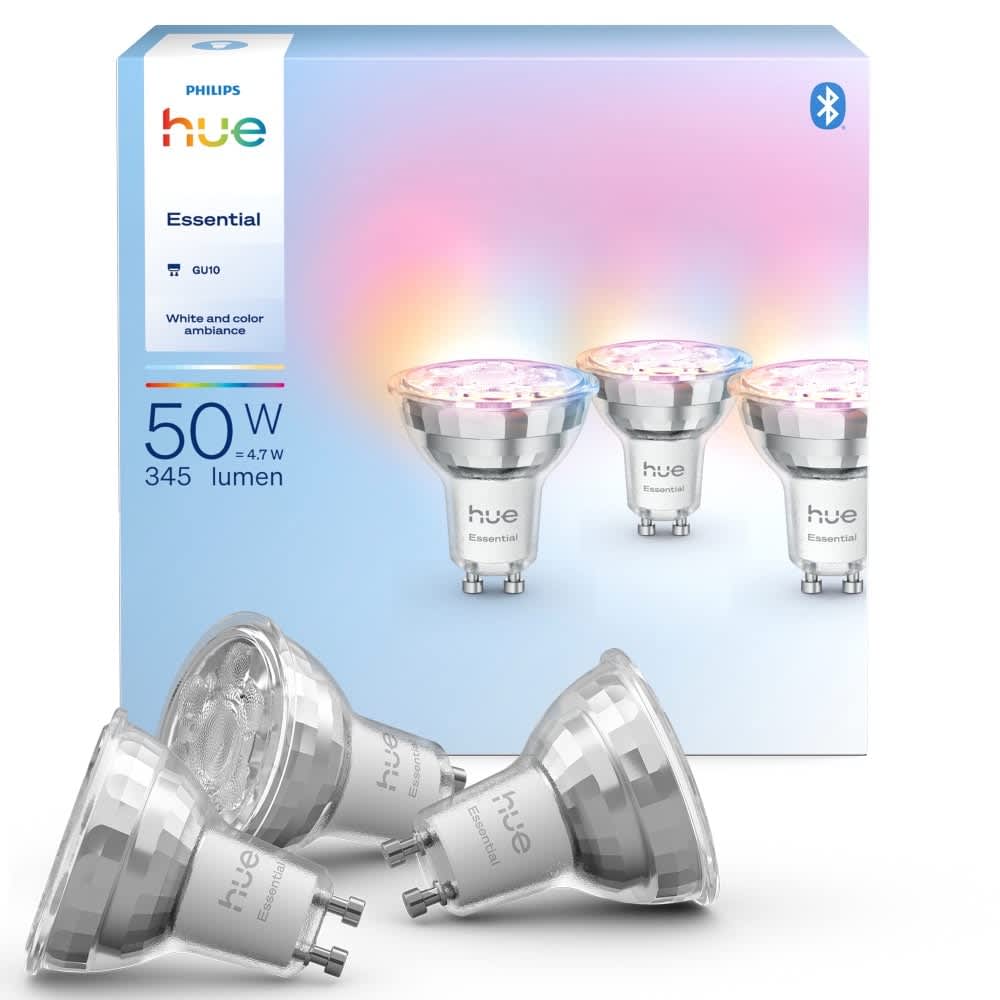
Hue (Flagship & Essentials): 16 million colors, advanced Chromasync (flagship), very good color accuracy (Essential). Professional and expressive designs.
IKEA: Strong in warm/cool whites, now expanding RGB. Colors less vivid than Hue, but great for price. Designs focus on Scandinavian minimalism.
Case Study: Outfit a 3BR home: IKEA = <$250, Hue Essential = ~$400, Hue flagship = $800+
Decision Matrix: Which Should You Buy?
| Best for… | Choose This |
|---|---|
| Tight budget, easy automation | IKEA Matter Line |
| Value + reliability, flexibility | Philips Hue Essential |
| Ultimate color and automation | Hue Flagship |
| Mix and optimize by room | Combo |
With Matter and Thread, you’re never locked in. Start with IKEA, add Hue for splurges, mix as you go.
Final Takeaway
2025’s smart lighting wars mean better products and better prices for everyone. IKEA’s massive Matter reset and Philips Hue’s Essential game-changer have made the category accessible, flexible, and future-proof.
Similar Articles