 Back to Blog
 Automate Your Way to the Perfect Ambiance
Stop manually controlling individual lights. Instead, build an intelligent lighting system that automatically creates a hotel-worthy ambiance.
You bought the smart bulbs. Perhaps you even splurged on a fancy hub. However, your home still lacks that warm, inviting glow you see in design magazines.
Here is the uncomfortable truth: the problem isn’t your gear. Actually, it is your system.
Most people treat smart lighting like regular lighting with an app attached. They tap buttons to turn individual lights on and off. Then, they wonder why their space still feels ordinary.
Fortunately, that changes today.
The secret to a high-end aesthetic isn’t buying expensive bulbs. Rather, it is building an automated system based on three core principles: warm-dim schedules, occupancy rules, and indirect lighting.
Let me show you exactly how to build this system.
Why Your Smart Lights Don’t Feel Smart (Yet)
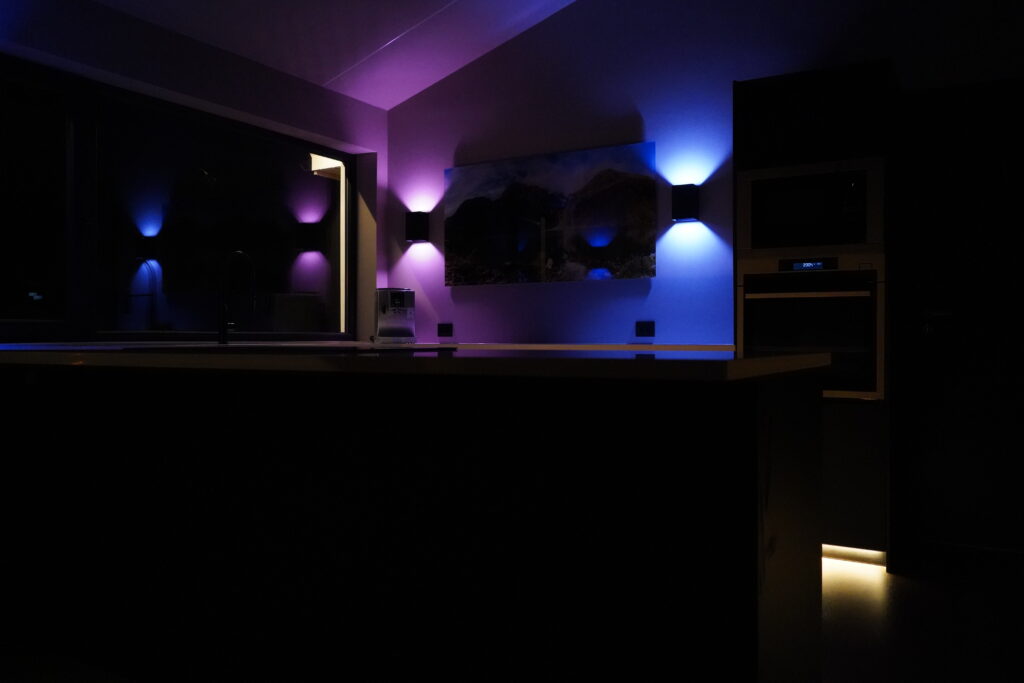
The difference between amateur and professional lighting comes down to layering.
Walk into most homes at night, and you will find the same scene. A single overhead light blazes at full brightness. Consequently, this casts harsh shadows everywhere. It feels clinical, like a waiting room. Furthermore, expensive smart bulbs cannot fix this if you only automate that same overhead light.
Professional designers understand something most homeowners miss. Great lighting isn’t about individual fixtures. On the contrary, it is about how all your light sources work together.
This concept is called layered lighting. In fact, it is the foundation of every cozy space.
The Two Types of Light Every Room Needs
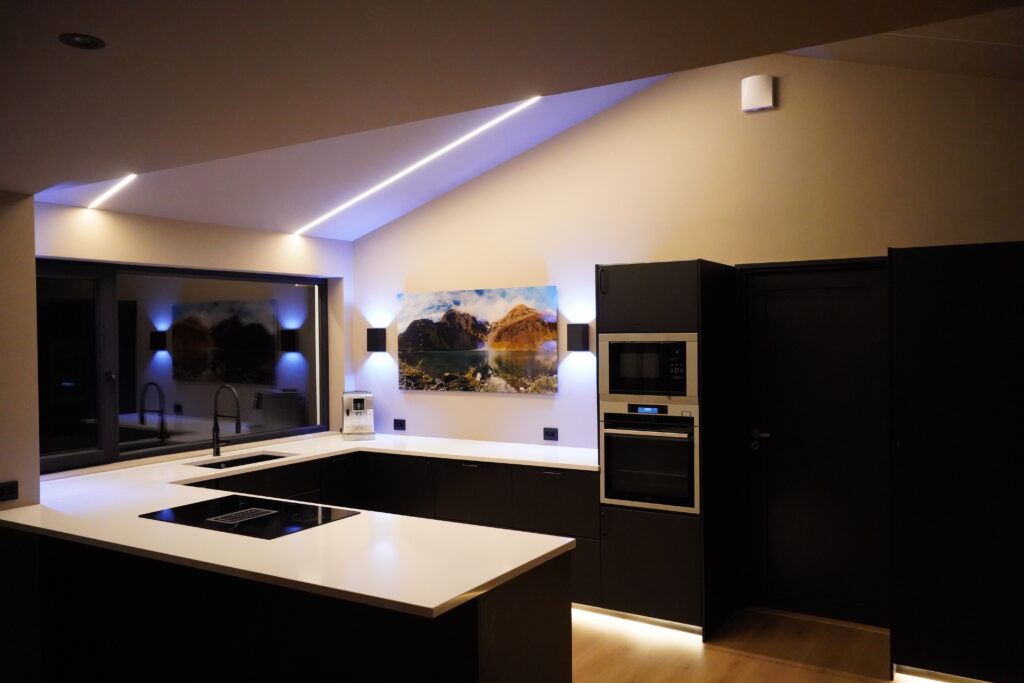
- Functional lighting: This serves a specific purpose. For example, it includes the lamp over your reading chair or the vanity lights in your bathroom. This is task-oriented light. Simply put, you need it to see what you are doing.
- Ambient lighting: This sets the mood. It is the soft glow that fills a room. Think of lamps with diffusing shades or strip lights hidden behind furniture.
Here is the key: you need both.
Start by identifying where you actually spend time. Those spots need functional light sources. Next, fill in the gaps with ambient lighting. This combination eliminates harsh shadows. As a result, the room feels both comfortable and intentional.
The Non-Negotiable Rule: Color Temperature
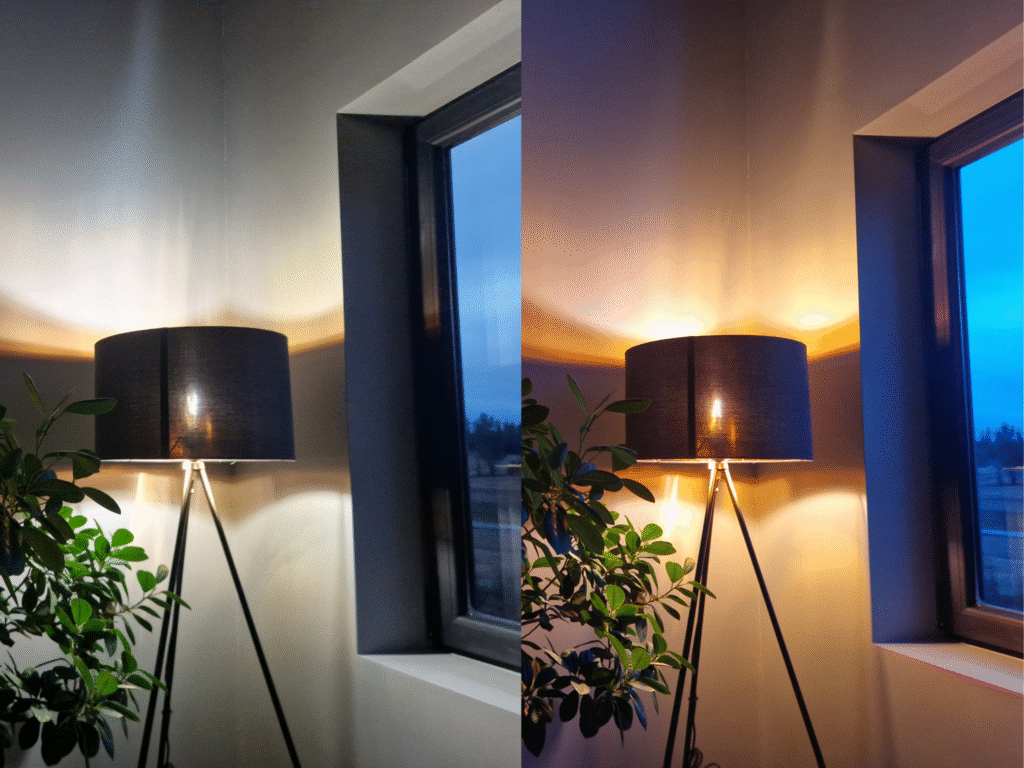
Color temperature makes or breaks your mood. Specifically, warm whites create coziness, while cool whites feel sterile.
If you take only one thing from this guide, let it be this: color temperature is non-negotiable.
Color temperature is measured in Kelvins (K). For a warm aesthetic, you want to stay in the 2700K to 3000K range. This yellow-toned light mimics sunset or candlelight. Consequently, it makes spaces feel welcoming.
In contrast, cool white bulbs (4000K and above) emit a blueish light. This makes a space feel sterile. Even if you buy color-changing bulbs, you will use warm white 90% of the time.
Therefore, when shopping for bulbs, ensure they reach true warm temperatures. Many cheap bulbs bottom out at 3000K. Unfortunately, this isn’t quite warm enough for evening ambiance.
The Pro Secret: Indirect Lighting
Here is where things get interesting.
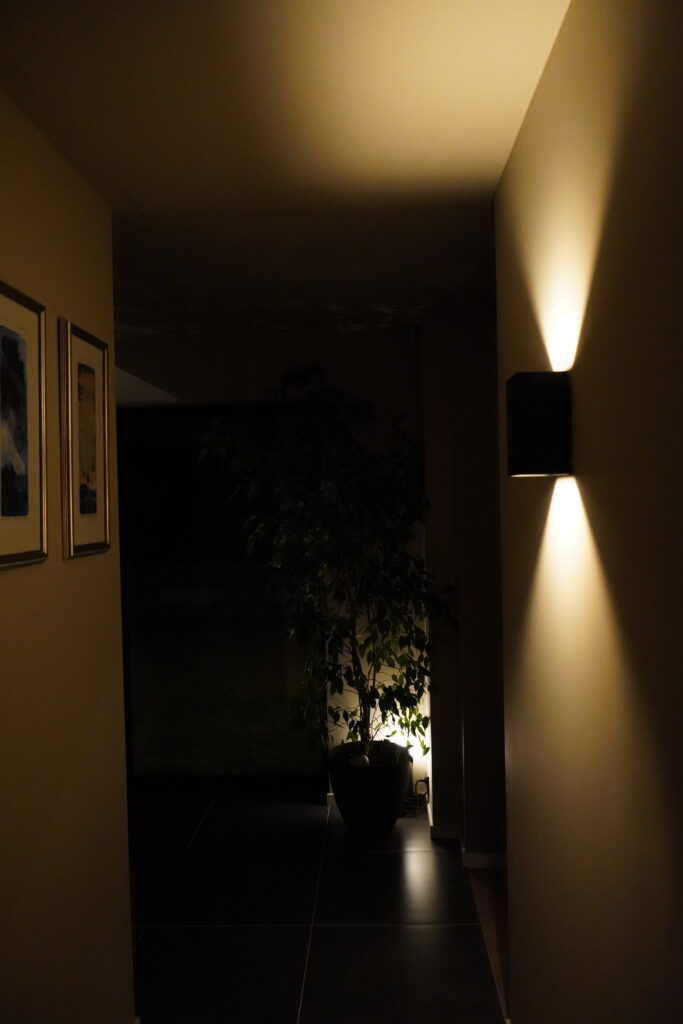
Interior designers use a technique called indirect lighting. This method instantly elevates any space. Instead of pointing light directly into the room, they bounce light off other surfaces.
For instance, here are practical ways to use indirect lighting:
- Point a floor lamp toward the ceiling. This washes the room with soft, reflected light.
- Use accent lights to graze textured walls.
- Place small lamps behind furniture. For example, try placing one behind a TV console or sofa.
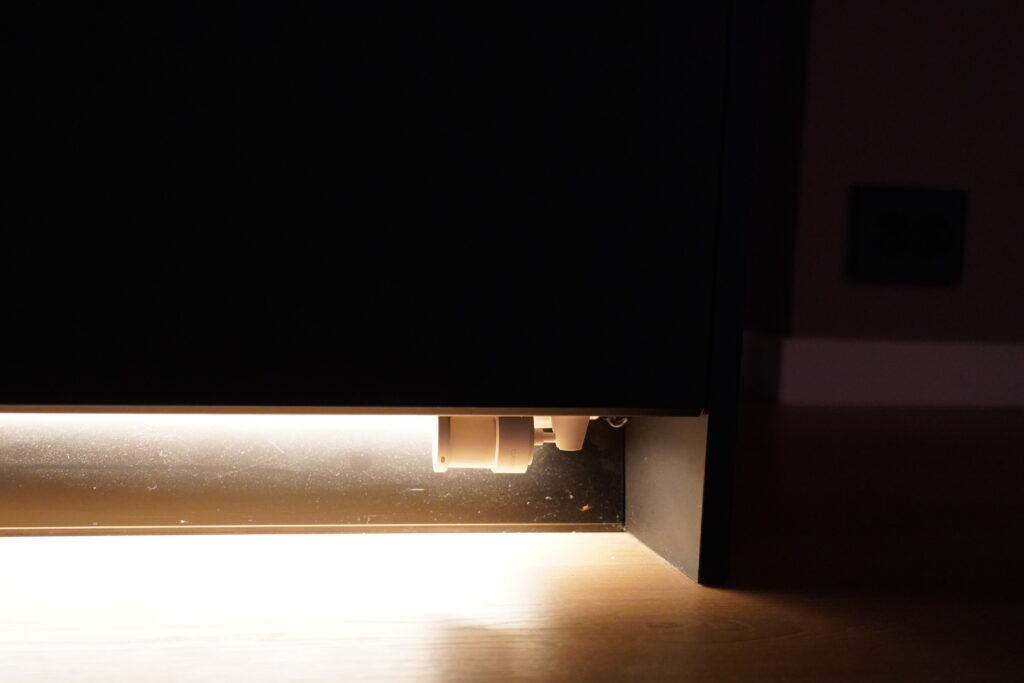
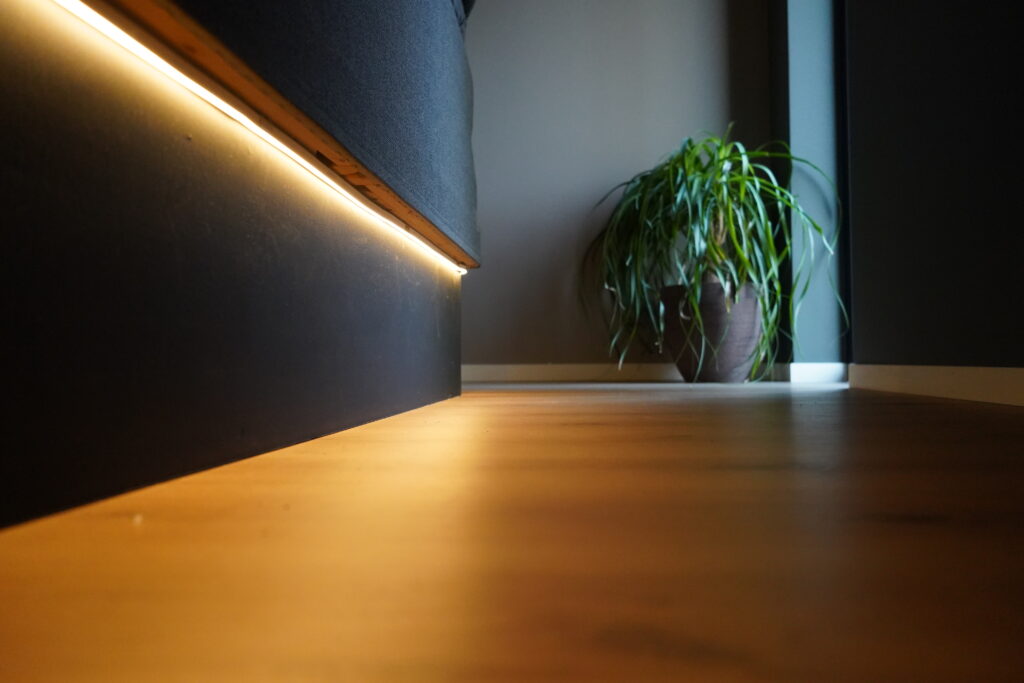
- Install LED strips under floating shelves.
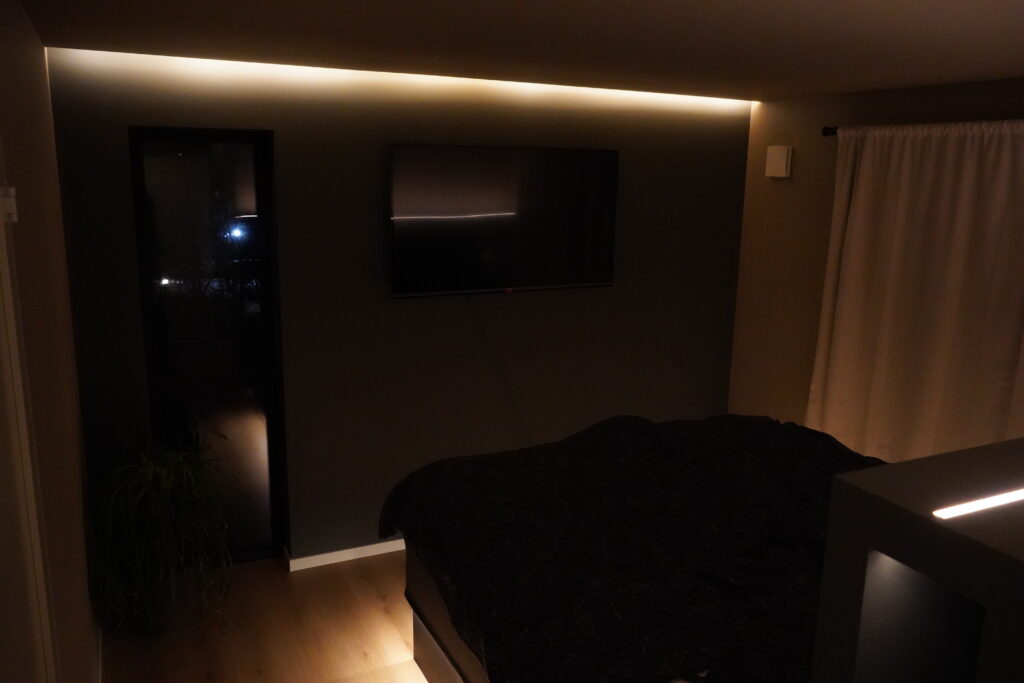
The goal is to make the light source invisible. You shouldn’t see the bulb; rather, you should see the glow. Ultimately, this eliminates glare and creates an expensive architectural feel.
From Manual to Magical: The Automation Principles
True automation goes beyond simple schedules. The real magic happens when you stop touching light switches entirely.
Mistake #1: Simple On/Off Schedules
What is the biggest automation mistake? Usually, it is setting lights to snap to 100% brightness at 6 PM. It is jarring. Moreover, it destroys any sense of coziness.
Great automation requires seamless transitions.
Warm-Dim Scheduling: Mimicking the Sun
Lights should not simply turn on. Instead, your system should gradually adjust both brightness and color temperature.
- 4:00 PM: Lights activate at 80% brightness and 3000K. This combats fading daylight.
- 7:00 PM: The system automatically dims to 60% and shifts to 2800K.
- 9:00 PM: Lights settle at 40% brightness and 2700K for relaxation.
- 10:30 PM: Lights dim further to 20% and 2200K. This deep amber color signals bedtime.
This isn’t just about aesthetics. Additionally, this approach supports your circadian rhythm. Bright light helps you wake up. Conversely, warm light prepares your body for sleep.
Luckily, many platforms now tie your schedule to local sunrise and sunset times.
Smart Occupancy: The Right Light at the Right Time
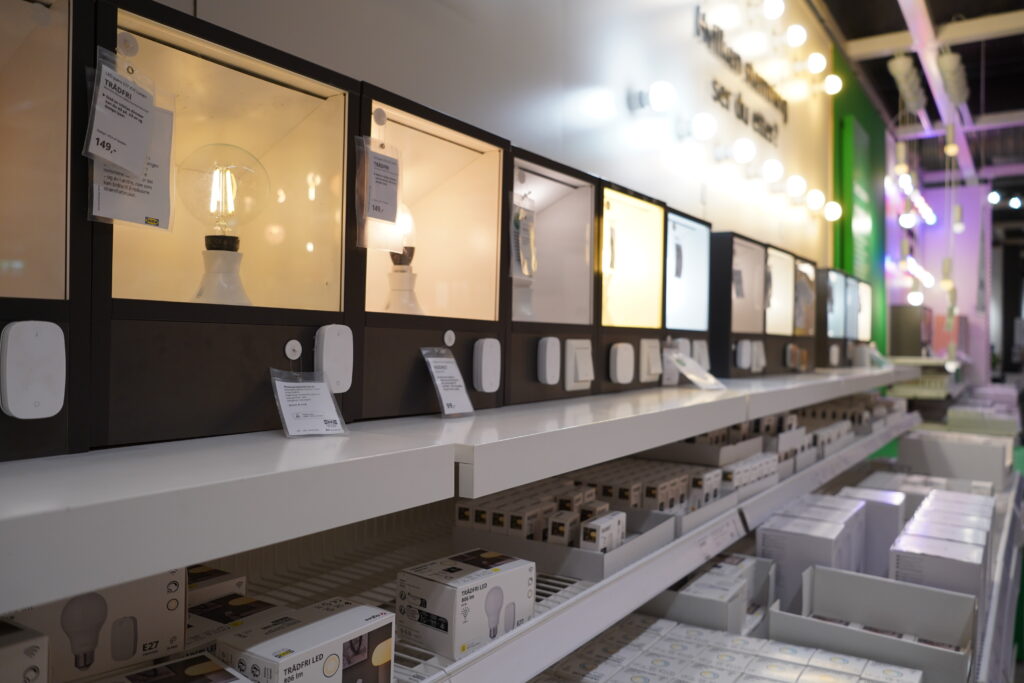
Motion sensors aren’t new. However, intelligent motion sensing is.
Basic occupancy detection makes sense for bathrooms and hallways. Specifically, lights turn on when someone enters and off after they leave. But the smart upgrade combines motion detection with dimming profiles.
For example, imagine you walk into the kitchen at 10 PM. The lights do not blast on at full brightness. Instead, they activate at a low, warm 25%. The motion sensor and the schedule work together.
This is the difference between clumsy automation and thoughtful design.
Starter Setup: Maximum Impact, Minimum Investment
You don’t need to spend thousands of dollars. Here is how to start smart with a modest budget.
Option A: Hub-Based (Best for Expansion)
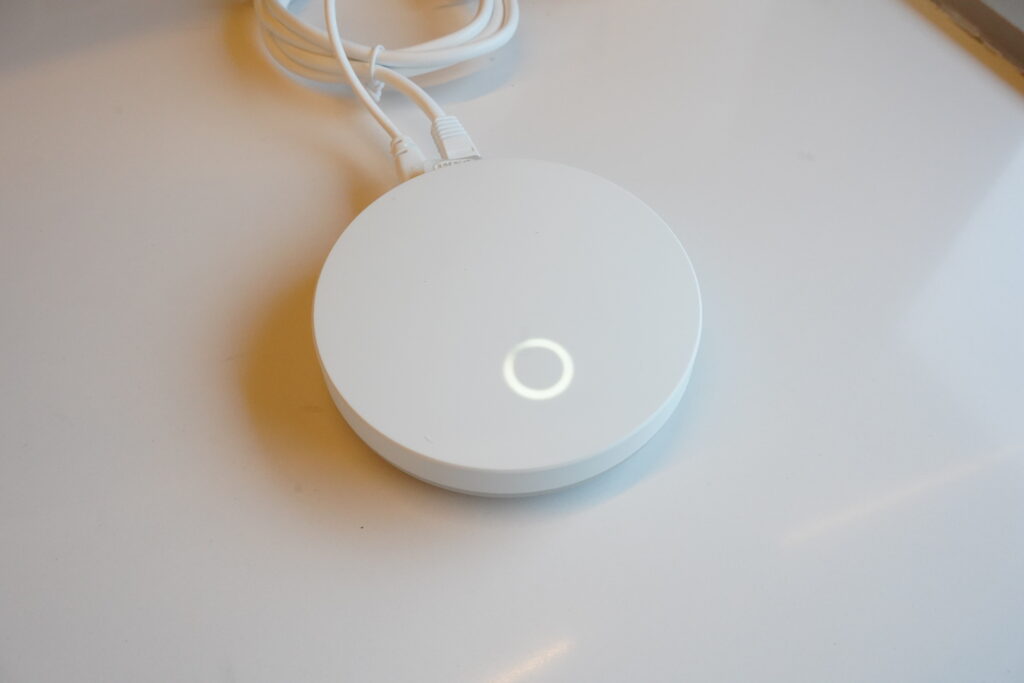
The IKEA Dirigera hub is an excellent entry point. It is affordable and supports the Matter standard. (Read more about Matter here: Your Smart Home Is Probably Broken Right Now) While the automation is simpler than premium systems, it is capable of handling our core goals.
Option B: No Hub Required
Alternatively, Matter-enabled bulbs can connect directly to your existing ecosystem (Google, Alexa, or Apple). This is the fastest path to getting started.
Your First Automations
- Create a warm-dim schedule. Have your living area lights gradually dim over the evening. Even a simple three-stage transition makes a difference.
- Add one occupancy rule. Use a motion sensor in the bathroom. However, ensure the light only activates at a dim level after 10 PM.
- Set up one indirect light. A simple floor lamp pointed at the ceiling can transform a room.
In summary, this combination delivers the biggest return on investment.
Mid-Tier: Local Control and Advanced Scenes
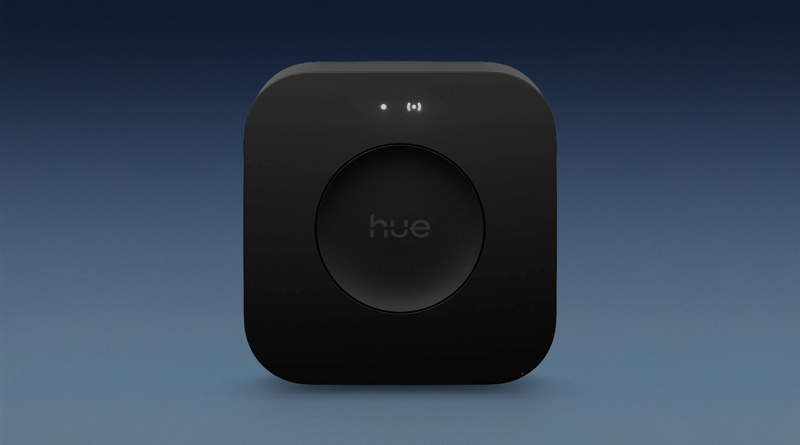
When you are ready for more control, systems like Philips Hue represent the sweet spot. IKEA vs Philips Hue: The Ultimate Smart Lighting Showdown 2025
The Local Processing Advantage
The Hue Bridge processes automations locally. This means it happens on the hub in your home, not in the cloud. As a result, you get near-instant response times.
Scene Creation
With local control, you can create sophisticated scenes:
- “Reading” – Brightens one specific corner.
- “Movie” – Turns off everything except a subtle backlight.
- “Dinner” – Dims the dining area to 40%.
Refined Transitions
Furthermore, mid-tier systems give you control over transition timing. You can program lights to fade over 30 seconds. This subtlety makes automation feel organic rather than robotic.
Whole-Scene Automation
The real power is integrating lighting with other devices. For instance:
- “Good Morning”: Lights brighten, the coffee maker activates, and blinds open.
- “Leaving Home”: All lights turn off, and the security system arms.
You are no longer automating individual lights. Now, you are automating entire experiences.
Advanced Integration: The Set-and-Forget Home
Finally, advanced smart lighting becomes invisible. Your home simply responds to your presence.
Architectural Lighting Effects
Premium products offer features beyond basic illumination. These include gradient strips that sync with your TV or light bars that wash walls with color. Essentially, these tools let you treat light as a design material.
The Ultimate Goal: Invisible Automation
At this level, your system accounts for time, presence, and context. It knows when you are home and what you are doing.
You walk from a living room to a bedroom. No commands are given. No switches are touched. The lighting simply works. Truly, this transforms a smart home from convenient to intelligent.
The Bottom Line
Cozy lighting isn’t about expensive bulbs. Instead, it is about understanding three principles:
- Layer your lighting to eliminate shadows.
- Prioritize warm temperatures (2700-3000K).
- Automate intelligently with warm-dim schedules.
Start wherever you are. A single automated lamp is better than ten manual ones. Build the system. Then, let your home do the rest.
What is your favorite lighting automation routine? Drop a comment below. I would love to hear how you have transformed your space.
The Cozy Lighting Starter Kit
– Philips Hue Essential Starter Kit
– Philips Hue Indoor LED Strip
– Philips Hue Signe Smart Table Lamp
– Philips Hue Motion Sensor
Similar Articles